압록강은 흐른다 (1959) - 이미륵
The Yalu Flows (1959) - Mirok Li
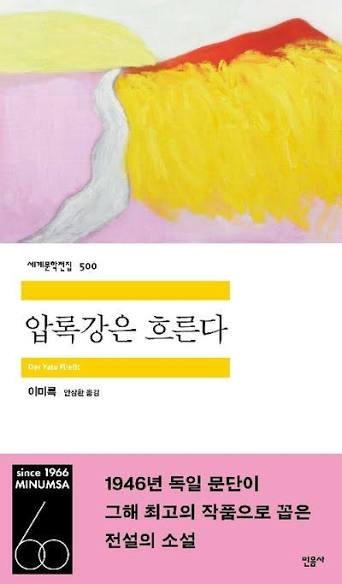
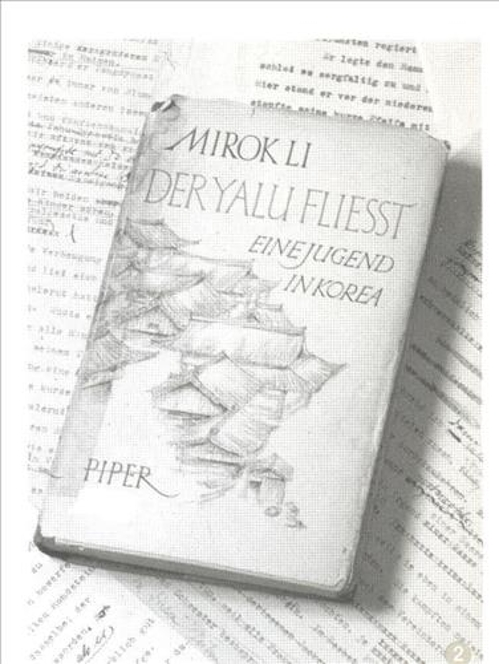
우선 이 책을 추천해 준 친구에게 감사의 마음을 전한다. 책을 읽는 내내 여러 가지 감정이 때로는 역동적으로, 때로는 잔잔하게 요동쳤다.
어쩌다 보니 최근 몇 년간 3·1 운동 즈음의 이야기를 자주 접하고 있다. 근래에 다시 읽었던 백범 김구 선생의 평전이나 《작은 땅의 야수들》과 같은 책들을 보아도 그렇듯, 독립운동의 역사적 의미와 숭고한 정신을 강조하는 글들을 우리는 어릴 적부터 수없이 접해 왔으며, 그래서 그것이 당연하고 자연스럽게 느껴지기도 한다.
이전 어느 글에서도 밝혔듯, 서사의 중심이 되는 인물들이 극을 이끌어가는 것은 맞지만 그 주위에는 수없이 많은 조연들이 존재하며 그들 모두가 저마다의 서사를 품고 있을 것이다. 나는 언제나 그런 주변인의 서사에 관심이 많다.
격동의 시기 속에서 원치 않는 선택을 따라야 했음에도, 순수한 어린 시절의 경험과 시대적 전환기를 맞이한 한 개인으로서의 감상을 담백하게 풀어낸 이 글은 참으로 아름답다.
이토록 아름다운 글이 타국의 교과서에 실렸다는 사실은, 같은 대한민국의 국민으로서 처참한 마음마저 들게 만든다. 현재 대한민국이 극복해야 하는 과제가 한두 개가 아니지만, 이런 일상의 아름다운 글들이 아이들에게, 그리고 지금을 살아가는 사람들에게 더 널리 노출되었으면 한다. 그러면서도 이런 문장들이 지닌 가치와 소중함을 이해하고 공감해 줄 사람이 과연 이 시대 대한민국에 얼마나 존재할까 하는 절망감이 동시에 든다.
First and foremost, I would like to extend my sincere gratitude to the friend who recommended this book to me. Throughout my reading, a whirlwind of emotions surged within—at times dynamic and turbulent, at other times gentle and serene.
As it happens, I have encountered many stories revolving around the era of the March 1st Movement over the past few years. From the biography of Baekbeom Kim Koo that I recently revisited to novels like Beasts of a Little Land, we have grown up immersed in writings that highlight the historical significance and noble spirit of the independence movement. Because of this, such narratives often feel natural, almost second nature to us.
As I have noted in earlier writings, while central figures inevitably lead the overarching narrative, there are always countless supporting characters surrounding them—each carrying their own distinct, lived story. I have always found myself drawn to these narratives of people on the periphery.
Even as he had to navigate involuntary choices forced upon him by a turbulent era, the author captures the innocence of his childhood and his quiet impressions as an individual living through an epochal transition with remarkable restraint. The writing is truly exquisite.
Yet, the fact that such a beautiful work of literature was celebrated and featured in the school textbooks of a foreign country leaves me, as a fellow Korean citizen, with a profoundly bittersweet, almost desolate feeling. While modern Korea faces no shortage of daunting challenges, I deeply wish that gentle, everyday literary gems like this could reach more of our children and contemporaries. At the same time, I cannot help but feel a lingering sense of despair, wondering just how many people in today's Korea still possess the sensitivity to understand and cherish the profound value of such sentences.